The cosmetics and skincare industry in South Africa is experiencing a structural evolution, driven by shifts in consumer demographics, environmental challenges, and the rapid expansion of e-commerce. As of 2024, the demand for anti-aging serums has progressed from standard anti-wrinkle solutions to highly specialized, multi-functional cosmetic formulas.
One of the primary drivers of this transformation is South Africa's intense UV index, which frequently peaks at critical levels. This environmental challenge leads to accelerated photoaging, deep-plane moisture depletion, and localized post-inflammatory hyperpigmentation (PIH), particularly within Fitzpatricks skin phototypes IV through VI. Consequently, South African brands and dermatology clinics require formulations that combine active cell-rebuilding blocks with melanin-moderating compounds.
Due to currency volatility and localized supply chain constraints, South African distributors are pivoting away from high-tariff European finished imports. Instead, they are establishing strategic relationships with advanced OEM/ODM manufacturers in China to secure bulk concentrates, private-label products, and custom formulations that provide higher margins without compromising product safety.
Formulations must handle both dry climates (Gauteng Highveld) and coastal humidity (KwaZulu-Natal/Western Cape) while preventing transepidermal water loss (TEWL).
Distributors must align imports with SANS 10447 standards, requiring suppliers with rigorous GMP (ISO 22716), GMPC, and COA documentation.
Rising interest in niacinamide, blue copper peptides, botanical retinols (bakuchiol), and low-molecular-weight hyaluronic acid optimized for heat-stable shelf life.
Projected annual growth rate for active anti-aging serums within Sub-Saharan Africa markets.
Percentage of South African consumers seeking anti-aging products that simultaneously treat dark spots and uneven tone.
Average transit time for marine container routes from Guangzhou Port to Durban/Cape Town ports.
| Active Ingredient | Primary Biological Mechanism | UV Degradation Risk | Best Skin Type Match (SA Market) | Target Product Line |
|---|---|---|---|---|
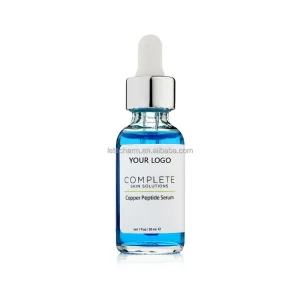
| Blue Copper Peptide (GHK-Cu) | Stimulates collagen & elastin synthesis, promotes tissue repair | Low (Highly photostable compared to retinoids) | Sensitive, dry, post-laser/post-peel skin | Advanced Clinical Recovery Serums |
| Vitamin C (L-Ascorbic vs. Sodium Ascorbyl Phosphate) | Neutralizes free radicals, blocks tyrosinase to lighten PIH | High (Requires airless packaging and stabilization) | Dull, sun-damaged, hyperpigmented skin | Brightening & Photoprotection Serums |
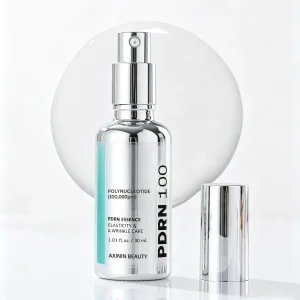
| Salmon DNA (PDRN) | Cellular regenerative therapy, DNA precursor supply | None | Mature, severely aged, thinned epidermal barriers | Clinic-grade Mesotherapy & Injection alternatives |
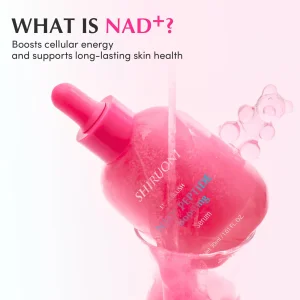
| NAD+ (Nicotinamide Adenine Dinucleotide) | Restores mitochondrial energy production, repairs cellular DNA | Low | Stressed, fatigued skin under high urban pollution | Next-Gen Age-Reversal Formulas |
| Niacinamide + Azelaic Acid | Regulates sebum production, inhibits melanosome transfer | None | Combination skin prone to adult acne and pigmentation | Skin Tone Correcting & Anti-Aging Serums |
*Note: Selecting the appropriate active ingredient matrix depends on your target market pricing tier, packaging structure, and brand positioning.
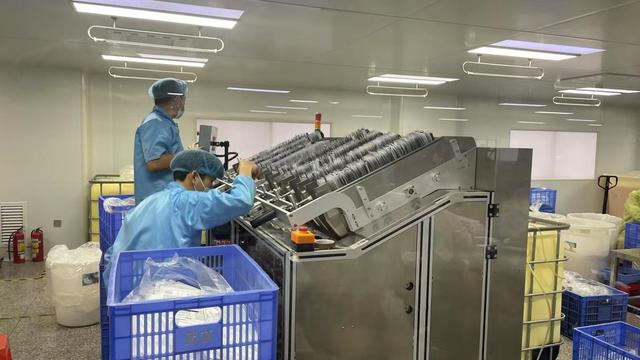
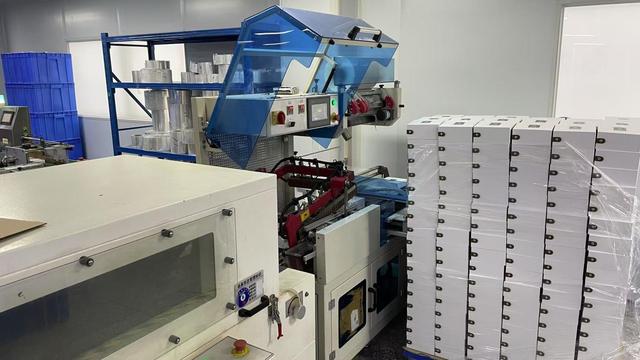
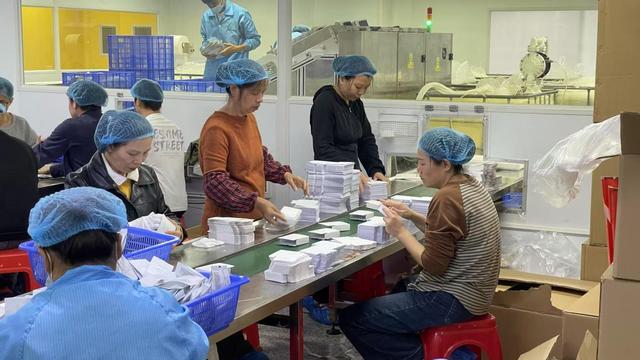
As a premier China facial serum manufacturer, Guangzhou NeoKis Beauty Co., Ltd. specializes in the research, development, and production of advanced skincare solutions for global beauty brands, retailers, distributors, and private label businesses. Leveraging Industry 4.0 manufacturing processes, we integrate high-precision automated filling systems with digital quality monitoring to maintain consistent product efficacy.
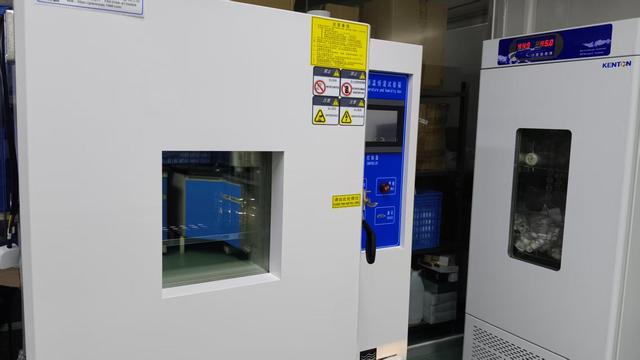
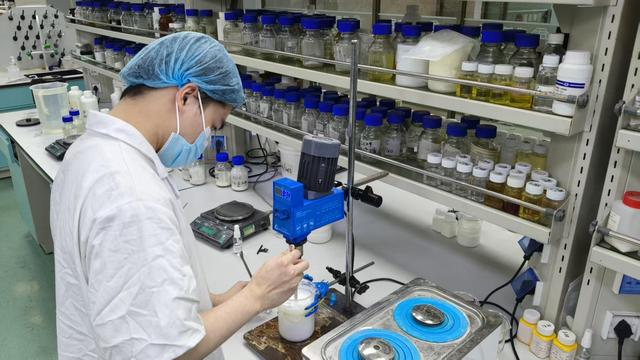
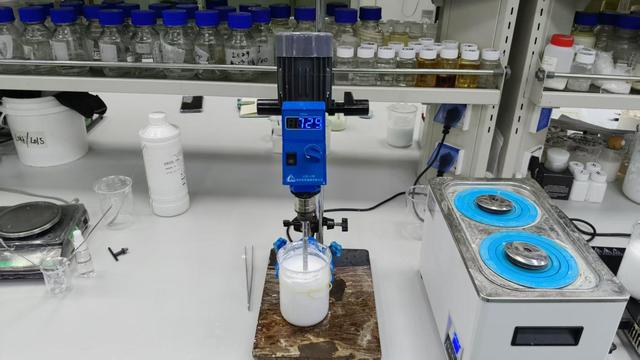
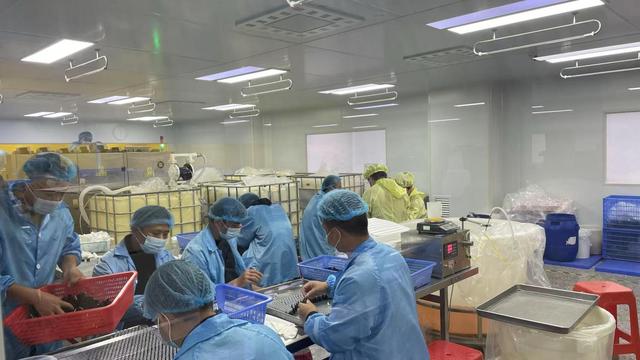
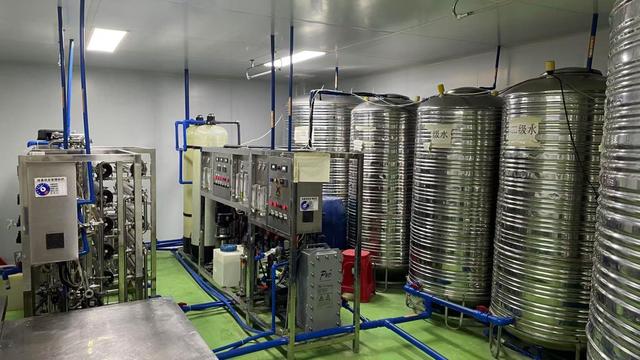
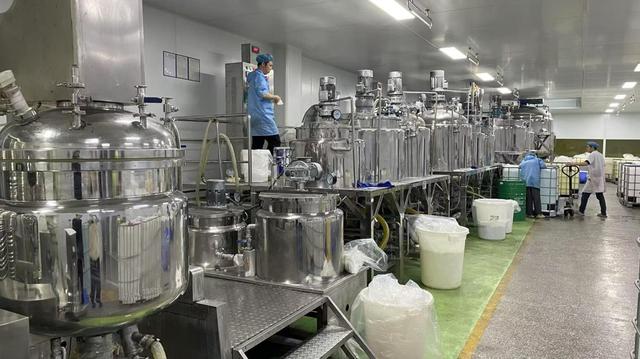
Our advanced production facilities utilize automated cosmetic emulsion reactors, aseptic cleanrooms matching international pharmaceutical standards, and real-time analytical chromatography testing. This high-efficiency manufacturing model guarantees our South African partners a stable supply chain, protecting them from market fluctuations and product inconsistencies.
Through our specialized OEM/ODM services, NeoKis Beauty enables South African cosmetics brands to customize viscosity, active concentrations, scent profiles, and packaging styles. From initial research and development to custom formulation, final bottling, and regulatory certification support, our team handles the entire process to help your brand stand out in a competitive market.
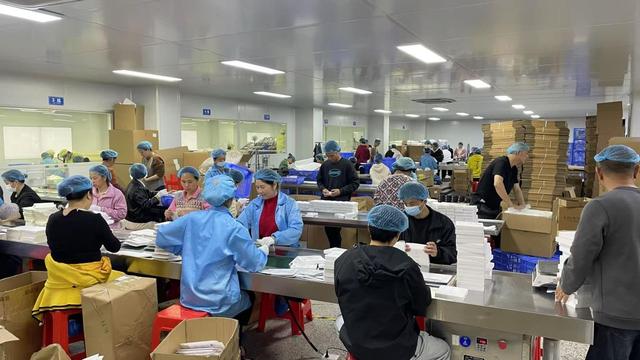
Every stage of our manufacturing process—from raw ingredient validation and automated formulation mixing to filling, packaging, and final inspections—takes place in state-of-the-art facilities designed to meet global standards.
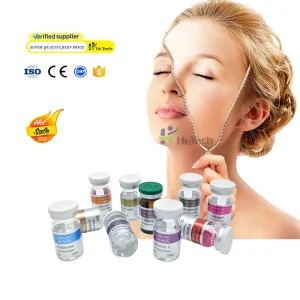
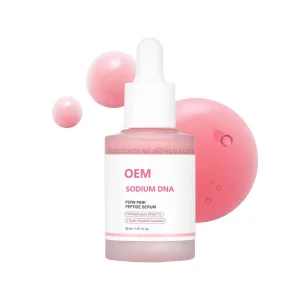
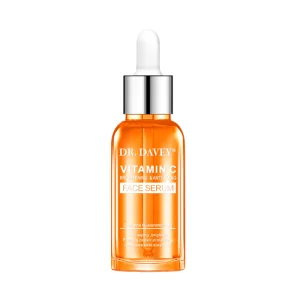
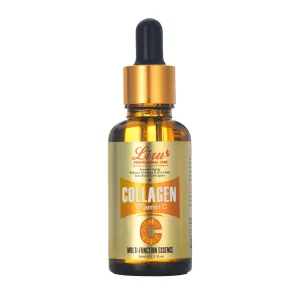
Developing a successful anti-aging skincare brand in South Africa requires balancing ingredient performance, regulatory compliance, and cost-effective shipping. With rising disposable incomes in major urban hubs like Johannesburg, Pretoria, Cape Town, and Durban, consumers are increasingly seeking clinical-grade skincare.
However, local cosmetics production faces challenges due to a lack of specialized chemical processing facilities and volatile access to raw botanical actives. Consequently, South African brands rely on partnerships with advanced offshore manufacturing facilities. This playbook outlines the technical, logistical, and commercial factors to consider when sourcing anti-aging serums from China's leading cosmetic hubs.
Formulating skin care products for the South African consumer requires careful consideration of the country's diverse climate zones. Formulations must be customized to address distinct regional environmental stressors:
Importers must ensure that manufacturing partners comply with safety regulations. Key compliance steps for importing cosmetics into South Africa include:
China's cosmetic manufacturing hubs, particularly in Guangzhou, offer significant production scale, advanced technology, and logistics integration. Shipping to South Africa is highly streamlined:
Ocean freight remains the most cost-effective method for bulk volume orders. Major shipping lines offer regular direct routes from the Port of Guangzhou to the Port of Durban, the primary maritime gateway for Sub-Saharan Africa. For smaller initial orders, air cargo provides rapid transport from Guangzhou Baiyun International Airport (CAN) directly to O.R. Tambo International Airport (JNB) in Johannesburg.
When partnering with Guangzhou NeoKis Beauty Co., Ltd., brands can choose between two primary manufacturing models:
| Strategic Indicator | OEM (Private Label) | ODM (Custom Formulation) | |
|---|---|---|---|
| Time-to-Market | Rapid (Typically 15-20 days) | Longer (Requires custom R&D and stability testing) | Fastest path for new brands |
| Development Costs | Low (Uses pre-tested base formulas) | Higher (Covers custom formulation design) | Optimized for established brands |
| Ingredient Control | Standard (Select from pre-approved options) | High (Fully customized active ingredient profiles) | Allows custom ingredient sourcing |
For standard private label (OEM) formulations, our typical MOQ starts at 1,000 to 3,000 units. For fully customized formulas requiring unique active ingredient complexes, custom packaging shapes, or specific container designs, the MOQ generally ranges between 5,000 and 10,000 units, depending on raw material sourcing requirements.
We use stable Vitamin C derivatives, such as Sodium Ascorbyl Phosphate or Ethyl Ascorbic Acid, which maintain efficacy under higher temperatures. Additionally, our formulations are packaged in opaque, UV-blocking glass or airless pump bottles, and we utilize temperature-controlled packing during transport to protect against heat-induced degradation.
We provide all necessary documentation for import clearance, including the Certificate of Analysis (COA), Safety Data Sheets (SDS), detailed Ingredient Lists (INCI compliant), Certificates of Free Sale, and GMPC / ISO 22716 certification papers.
Yes. Our R&D team develops custom formulations combining soothing agents (like Centella Asiatica or Panthenol) with gentle brighteners (such as Niacinamide or Azelaic Acid) to treat hyperpigmentation without irritating sensitive skin.
Ocean freight from the Port of Guangzhou to Durban or Cape Town typically takes 20 to 30 days. Air freight routes from Guangzhou Baiyun Airport to Johannesburg usually deliver within 5 to 7 working days, including local customs clearance.
 NeoKis Beauty